The Irish Doctors Environmental Association (IDEA) has taken a strong stance on the use of genetically modified (GM) foods. Citing concerns over health and environmental impacts, IDEA has called for an immediate moratorium on the cultivation and use of genetically engineered plants for consumption, urging that all current GM foods on the market be withdrawn due to what they consider as a lack of adequate testing for safety.
Uncharted Health Impacts of Genetic Engineering in Foods
IDEA has voiced concern about the methods of 'risk assessment' currently employed for genetically engineered foods, highlighting the need for the same level of rigor in testing as is required in medicinal research. Substantial equivalence, a regulatory concept which posits that genetically modified organisms (GMOs) are safe if they're similar to their natural counterparts, has been criticized for creating loopholes that bypass pre-market safety testing. Without comprehensive testing on human subjects and facing worrying results from animal studies, IDEA is advocating for a proactive approach to evaluate GM foods for potential adverse health effects including allergies and the potential for creating more virulent bacteria and viruses.
Towards a Chemical-Dependent Agriculture

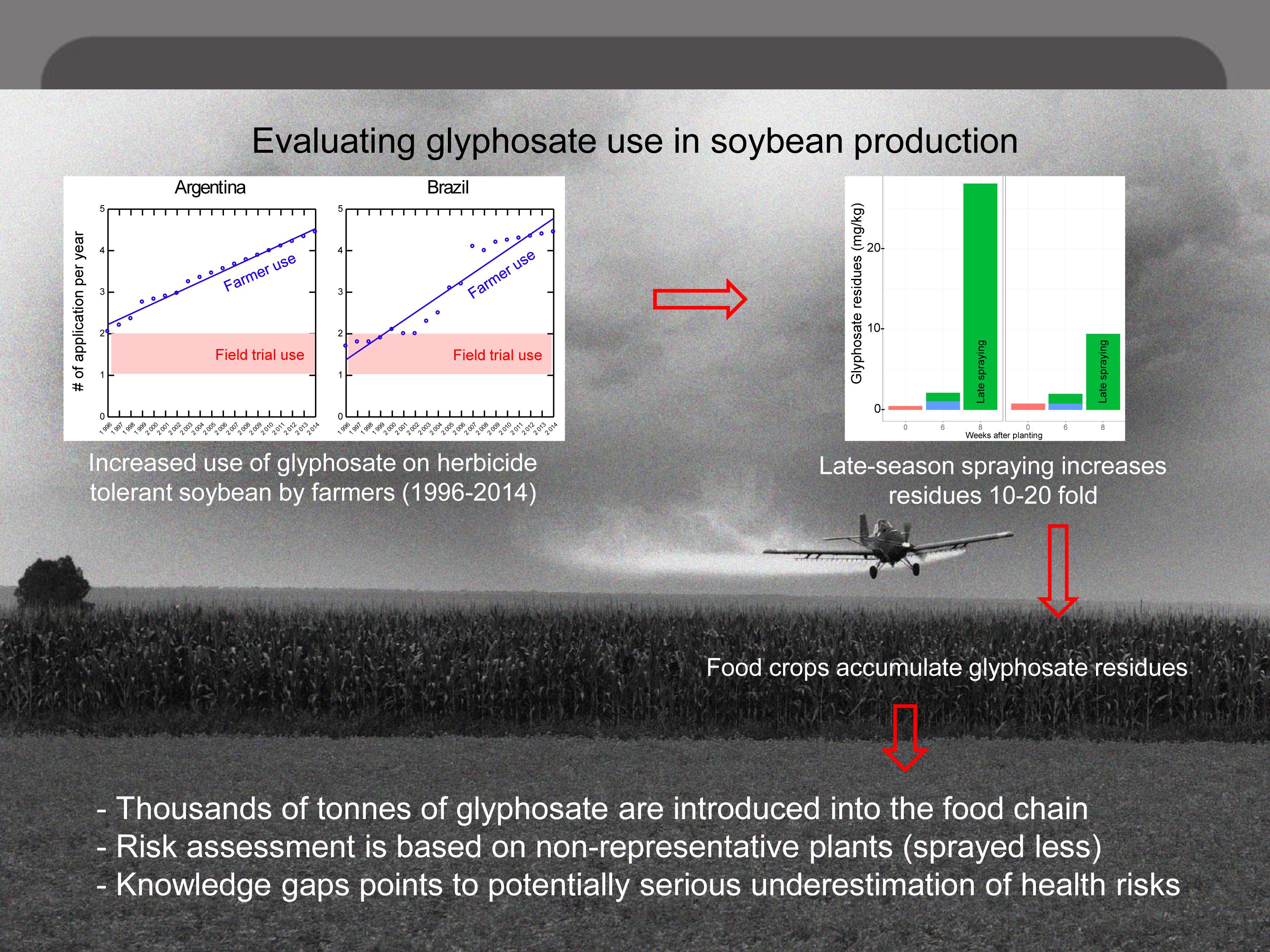
The proliferation of genetically engineered plants capable of withstanding herbicides may, according to IDEA, lead to an increase in chemical use in agriculture. The concern here is twofold: an increase in chemicals used poses direct risks to the health of consumers and broader ecological implications, and current testing for chemical residues in food is regarded as insufficient.
GM Foods: A False Panacea for World Hunger
IDEA challenges the notion that GM foods are the solution to the global hunger crisis, arguing that scarcity is largely born of economic inequality and unfair trading policies. They assert that genetically modified crops threaten food security and biodiversity and that efforts and resources would be better directed towards addressing socioeconomic disparities that contribute to malnutrition and lack of access to food.
Advocating for a Pause and Reflection on the Future of Food

Backing their words with action, IDEA has signed the World Scientist’s Statement at the U.N. Convention on Biological Diversity. This calls for a five-year moratorium on the release of GM foods and an independent, comprehensive inquiry into sustainable agriculture and food security that incorporates economic, scientific, and ethical factors.
Merging Awareness with Adventure: Responsible Travel
As travelers seek more meaningful, responsible experiences abroad, understanding the impact of our food choices on global communities grows ever more important. The discussion around GM foods is not just a concern for locals, but for tourists who have the power to influence market demand. Travelers can contribute positively by choosing destinations and experiences that support sustainable agriculture and by being aware of the food systems in the places they visit.
Dublin
- Castleknock Hotel
- The Spencer Hotel
- Camden Court Hotel
- Gibson Hotel
- Red Cow Hotel
- Wren Urban Nest
- Ashling Hotel Dublin
- Green Isle Hotel
- Mespil Hotel
- The Morgan Hotel
- Croke Park Hotel
- Grand Canal Hotel
- Riu Plaza The Gresham Dublin
- The Grafton Hotel
- Dublin One Hotel
- Mayson Hotel
- Temple Bar Inn
- Clayton Hotel Charlemont
- Talbot Hotel Stillorgan
- Academy Plaza Hotel
- Clayton Hotel Cardiff Lane
- West County Hotel
- Herbert Park Hotel
- Sandymount Hotel
- Nyx Hotel Dublin
- Maldron Hotel Parnell Square
- Radisson Blu Royal Hotel Dublin
- Motel One Dublin
- The Address Connolly
- Hilton Dublin Airport
- Belvedere Hotel Dublin
- Iveagh Garden Hotel
- Skylon Hotel
- Leonardo Hotel Dublin Parnell Street
- Clayton Hotel Ballsbridge
- Trinity City Hotel
- Buswells Hotel
- Radisson Blu St Helens
- Ruby Molly Hotel Dublin
- Clayton Hotel Burlington Road
- Maldron Hotel Smithfield
- Hilton Kilmainham
- The Chancery Hotel Dublin
- Brooks Hotel
- Leonardo Hotel Dublin Christchurch
- Cassidys Hotel
- Jacobs Inn
- Clink I Lar Dublin
- Beresford Hotel Dublin Reviews
- Staycity Aparthotels Dublin
- Zanzibar Locke
- Marker Hotel Dublin
- Hilton Garden Inn Dublin City Centre
- Generator Hostel
- Dorset Point
- Bonnington Hotel Dublin
- Conrad Dublin
- Beckett Locke Dublin
- Maldron Merrion Road
- Moxy Dublin
- The College Green Hotel Dublin
- The Clarence Hotel Dublin
- Marlin Hotel Stephens Green
- Fitzwilliam Hotel
- The Samuel
- The Devlin Hotel
- Maldron Kevin Street
- Camden Hotel Dublin
- Abbey Hostel Dublin
- Hyatt Hotel Dublin
- Royal Marine Spa
- The Davenport Hotel
- Wynn'S Hotel
- Albany House Hotel Dublin
- The Dean
- The Westbury Hotel
- The Arlington Hotel Dublin
- Hampton Hilton Dublin
- Beaumont House Dublin
- Holiday Inn Express Dublin Ireland
- Four Seasons Hotel Dublin
- Wilder House Dublin
- Clontarf Castle Dublin
- O'Callaghan Mont Clare Hotel Dublin
- Hendrick Street
- Merrion Hotel Reviews
- Hotel Shelbourne
- Dylan Hotel Dublin Location
- Travelodge Dublin City Rathmines
- St Gogarty'S Hostel
- Fleet Hotel Dublin Reviews
- Maldron Hotel Pearse
- Dublin Castle Hotel Reviews
- Drury Court
- Harcourt Hotel Ireland
- Staunton On Green Dublin
- Uppercross House Hotel Dublin
- The Morrison Dublin A Doubletree By Hilton Hotel
- Hotel Temple Bar Dublin
- City Inn Dublin
- The Dawson Hotel
- Park West Hotel
- Handels Hotel Temple Bar By Thekeycollection Dublin
- Waterloo Townhouse And Suites Dublin
- The Schoolhouse Hotel Prices
- Dublin Harding Hotel
- Harrington Hall Dublin Ireland
- Hilton Dublin Hotel
- Number 31 Hotel
- House Dublin Leeson Street
- The Blooms Hotel Dublin Ireland
- The Alex Hotel Dublin Location
- Egans Guest House Dublin Ireland
- Pembroke Townhouse Ireland
- Ariel House Hotel Dublin Ireland
- The Green Hotel In Dublin
- O'Donoghue'S Merrion Row
- B&B Dublin Airport