I. PREAMBLE
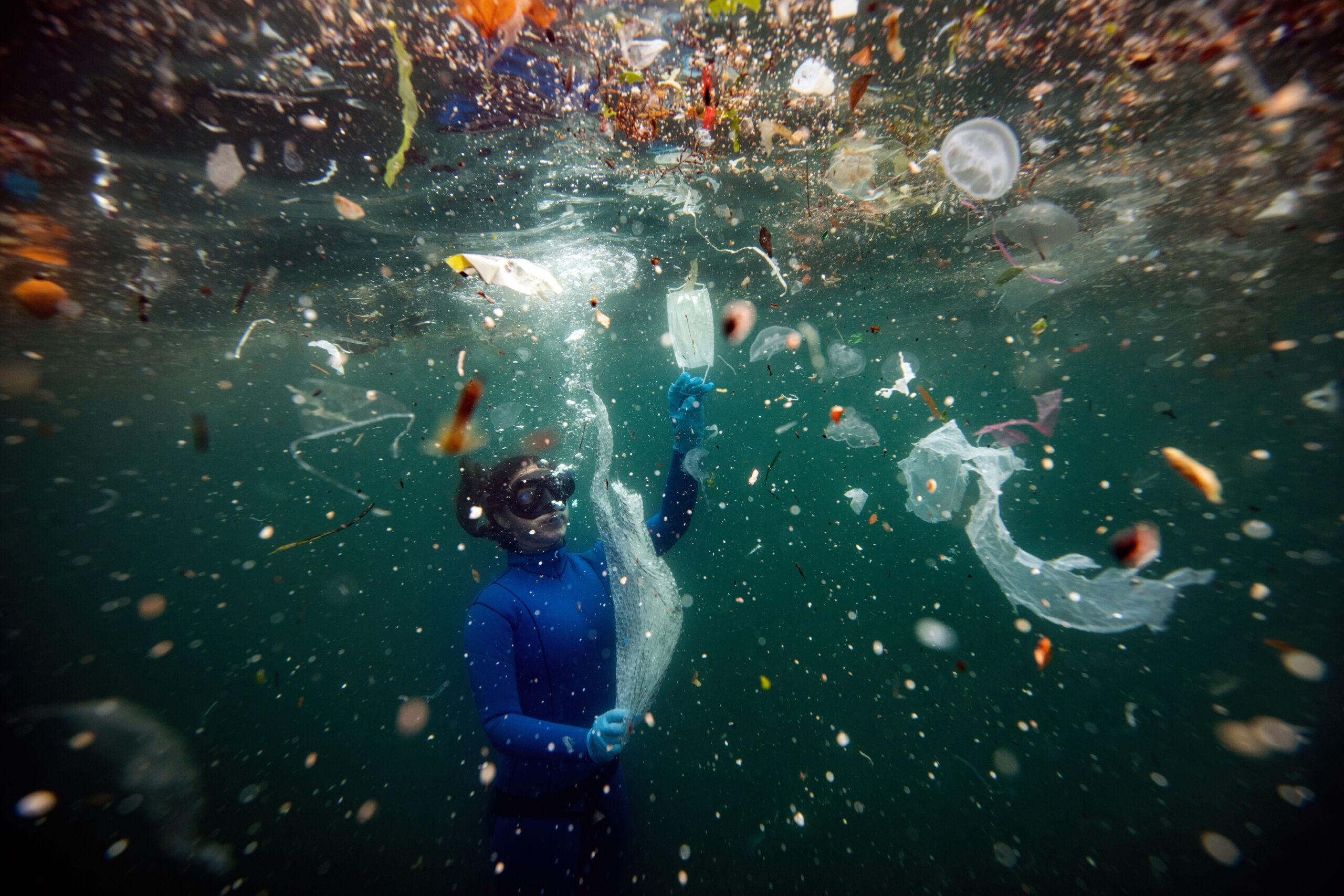
With the increase of industrial activities and advancements in technology, the presence of chemical pollutants in our environment has become a widespread issue, affecting health and ecological systems globally. Recognizing the impact of such pollutants, there has been a series of landmark declarations and agreements, aimed at safeguarding human health and promoting a sustainable environment.
Human Health and Environmental Quality Accords
From the earliest World Health Organization (WHO) constitution emphasizing a holistic approach to health, through the Universal Declaration of Human Rights asserting personal dignity and well-being, to the more recent conventions and declarations, the international community has been pushing towards a cleaner, healthier future. Each document has built upon the previous, formulating a clearer, more unified international stance on the right to a safe and healthy environment.
Advancing Sustainable Practices across Borders
Environmental challenges do not respect national borders. As such, agreements like the Rio Declaration, the Convention on Biological Diversity, and the Stockholm Convention on Persistent Organic Pollutants (POPs) have sought to bring together nations in a common cause. They recognize that absence of scientific certainty should not stall preventive measures, and they emphasize global collaboration to achieve long-term environmental health and sustainability.
II. SCIENTIFIC CONSIDERATIONS
Disturbing Trends in Public Health
Scientific evidence continues to underline the deterioration of public health worldwide, with a sharp rise in chronic diseases. Notably, cancer incidence rates have soared, which has led experts to explore the contributions of chemical pollution. Infertility rates and various congenital anomalies have also increased, with links to chemical exposures being a potential cause.
The Impact of Chemicals on Human Health
The proliferation of chemicals—such as polyaromatic hydrocarbons, organo-halogenated derivatives, and toxic metals, to name a few—has led to AI pervasive toxicity in our air, water, soil, and food. With complex interactions between these chemicals and inadequate risk assessments, the scientific and medical communities face a formidable challenge in establishing causation and providing effective remedies.
From Ecosystems to Human Systems: The Reach of Pollution
Harmful substances often find their way into the most vulnerable populations. Children being exposed to toxins via placental transfer or through breast milk is especially concerning. Likewise, biodiversity loss and the extinction of species due to these pollutants pose a grave threat to the web of life, including human existence.
III. DECLARATION
Urgent Calls for Action
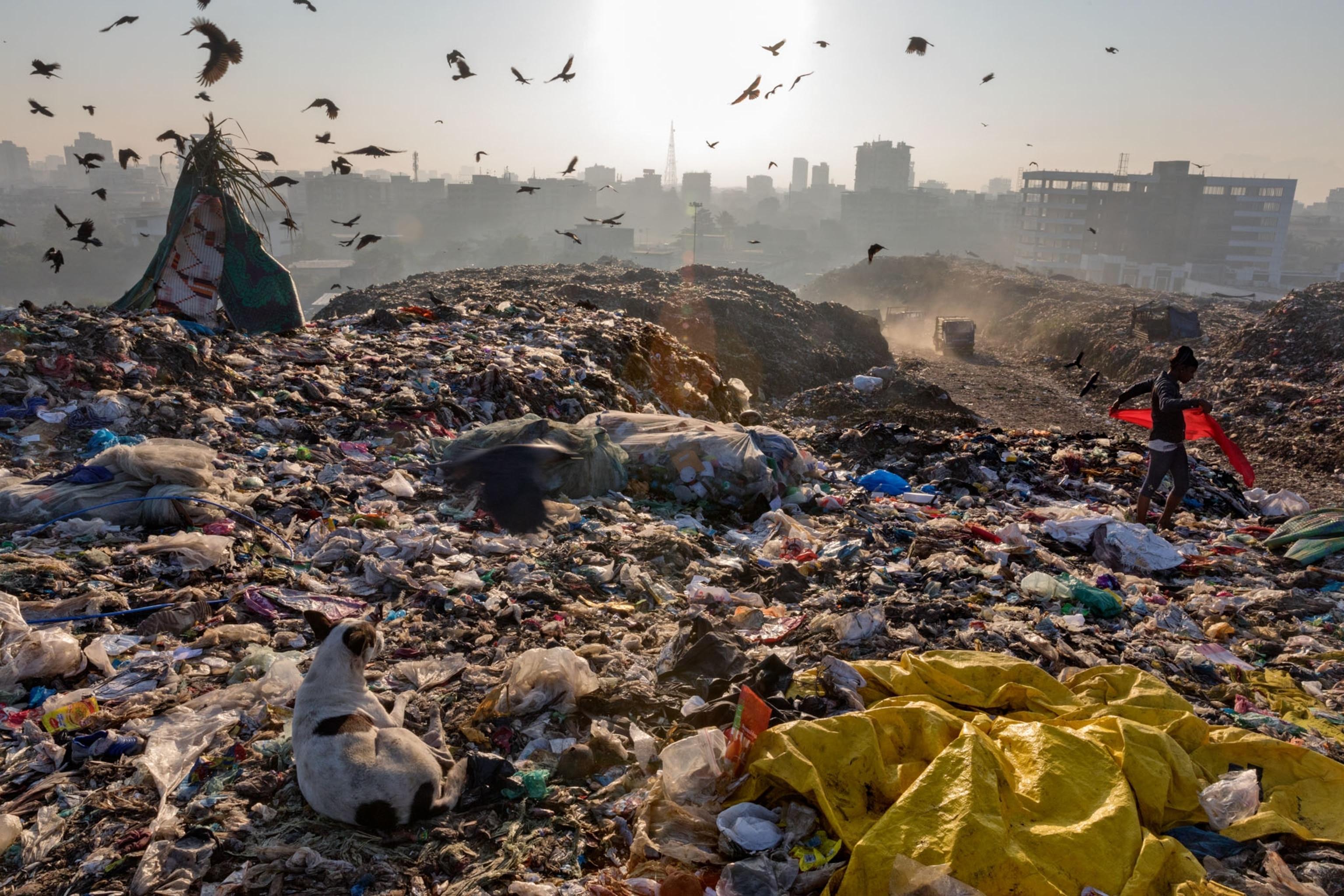
In the face of mounting evidence and growing risks, it has become imperative for stakeholders to take decisive, preventative actions. This includes banning harmful chemicals, embracing the precautionary principle, advocating for stricter regulations and policies, promoting the use of safer alternatives, and addressing the profound challenge of climate change.
Global and Regional Reforms for Chemical Management
International measures, such as those proposed by The Paris Appeal, advocate for drastic steps to reduce dependence on hazardous chemicals and call for widespread reform. These reforms include strict controls, responsible actions from public and private entities alike, and a consistent application of precautionary principles to control and eventually eradicate the use and release of toxic substances.
IV. The Intersection of Travel and Environmental Health
The domain of travel increasingly intersects with environmental health, with destinations facing the strain of chemical pollutants. The glorious city of Paris, known for its rich history and beauty, is also a center for dialogue on global health challenges—reflecting the interconnected nature of our world. As travelers, we carry the shared responsibility for preservation and must advocate for sustainable tourism practices that protect the destinations we cherish. This same spirit that sparked The Paris Appeal—urgency, concern for the future, and international cooperation—must be integrated into our travel ethos, ensuring that our global explorations leave a positive footprint on the health of our planet.
Dublin
- Castleknock Hotel
- The Spencer Hotel
- Camden Court Hotel
- Gibson Hotel
- Red Cow Hotel
- Wren Urban Nest
- Ashling Hotel Dublin
- Green Isle Hotel
- Mespil Hotel
- The Morgan Hotel
- Croke Park Hotel
- Grand Canal Hotel
- Riu Plaza The Gresham Dublin
- The Grafton Hotel
- Dublin One Hotel
- Mayson Hotel
- Temple Bar Inn
- Clayton Hotel Charlemont
- Talbot Hotel Stillorgan
- Academy Plaza Hotel
- Clayton Hotel Cardiff Lane
- West County Hotel
- Herbert Park Hotel
- Sandymount Hotel
- Nyx Hotel Dublin
- Maldron Hotel Parnell Square
- Radisson Blu Royal Hotel Dublin
- Motel One Dublin
- The Address Connolly
- Hilton Dublin Airport
- Belvedere Hotel Dublin
- Iveagh Garden Hotel
- Skylon Hotel
- Leonardo Hotel Dublin Parnell Street
- Clayton Hotel Ballsbridge
- Trinity City Hotel
- Buswells Hotel
- Radisson Blu St Helens
- Ruby Molly Hotel Dublin
- Clayton Hotel Burlington Road
- Maldron Hotel Smithfield
- Hilton Kilmainham
- The Chancery Hotel Dublin
- Brooks Hotel
- Leonardo Hotel Dublin Christchurch
- Hilton Garden Inn Dublin
- Bonnington Hotel
- Beckett Locke
- Maldron Hotel Merrion Road
- Maldron Hotel Kevin Street
- Beaumont House
- Cassidys Hotel
- Jacobs Inn
- Clink I Lar Dublin
- Beresford Hotel Dublin Reviews
- Staycity Aparthotels Dublin
- Zanzibar Locke
- Marker Hotel Dublin
- Generator Hostel
- Devlin Hotel
- Albany House Dublin
- Dorset Point
- Wynns Hotel Dublin
- Fitzwilliam Hotel Dublin
- Samuel Hotel Dublin
- Camden Street Hotel
- Conrad Dublin
- Clontarf Castle Hotel
- College Green Hotel
- Moxy Dublin
- Abbey Court Hostel Dublin
- The Clarence Hotel Dublin
- Marlin Hotel Stephens Green
- Hampton Inn Dublin Ireland
- Phoenix Park Hotel Dublin
- Arlington Rooms
- The Westbury Dublin
- The Davenport Dublin
- Hyatt Dublin
- Marine Hotel Dun Laoghaire
- The Dean Townhouse Dublin
- Holiday Inn O'Connell Street
- The Wilder Hotel Dublin
- Merrion Dublin
- School House Hotel
- The Shelbourne, Autograph Collection
- Intercontinental Hotel Ballsbridge
- The Hendricks Hotel Dublin
- Fleet Hotel
- The Dylan
- Mont Hotel
- Morrison Curio Dublin
- Hilton In Dublin
- Ibis Dublin Ireland
- Temple Bar Hotel Map
- Portobello Dublin Dublin
- Dawson Street Hotel
- Dublin City Inn Talbot Street Hotel
- Staunton On The Green Ireland
- Pearse Street Dublin Ireland
- Keavans Port Hotel
- Harcourt Suites
- Oliver Gogarty Hostel
- Drury Court Hotel In Dublin
- Hotel Travelodge Dublin City Centre Rathmines
- Dublin Hotel Castle
- Uppercross Hotel
- Aspect Park West Hotel
- Harrington Hall Hotel Dublin Ireland
- House Hotel Dublin Ireland
- The Alwx
- Ripley Court Dublin
- Fitzsimmons Dublin
- Hotel St George Parnell Square Dublin
- Pembroke Townhouse Hotel Dublin
- Waterloo House Hotel Dublin
- Haddington Hotel Dun Laoghaire
- Blooms Hotel Anglesea Street Temple Bar Dublin 2
- Staycity Aparthotels Saint Augustine Street
- Trinity Townhouse Dublin
- Handels Hotel Temple Bar By Thekeycollections Dublin
- Lombard Pub And Townhouse Dublin
- Donnybrook Hall Hotel Dublin Ireland
- Abigail'S Hostel Dublin
- Kildare St Hotel Dublin
- Harding Dublin Hotel
- O Neills Victorian Pub And Townhouse Dublin
- The Mercantile Hotel Dublin
- Lansdowne Hotel Dublin Ireland
- The Green Dublin Hotel
- Kellys Hotel Dublin Ireland
- The Gate Hotel Dublin Ireland
- 31 Leeson Close
- Avoca House Dublin
- Maples House Hotel Dublin Ireland
- Egan Guest House Dublin
- Ariel Guesthouse Dublin Ireland
- Dublin Roxford Lodge Hotel
- Aloft Dublin City Location
- Gardiner House Reviews
- Kilronan House Hotel
- O Donoghues Pub Dublin
- Bed Breakfast Dublin