Understanding the Fallacy of Incineration in Waste Management
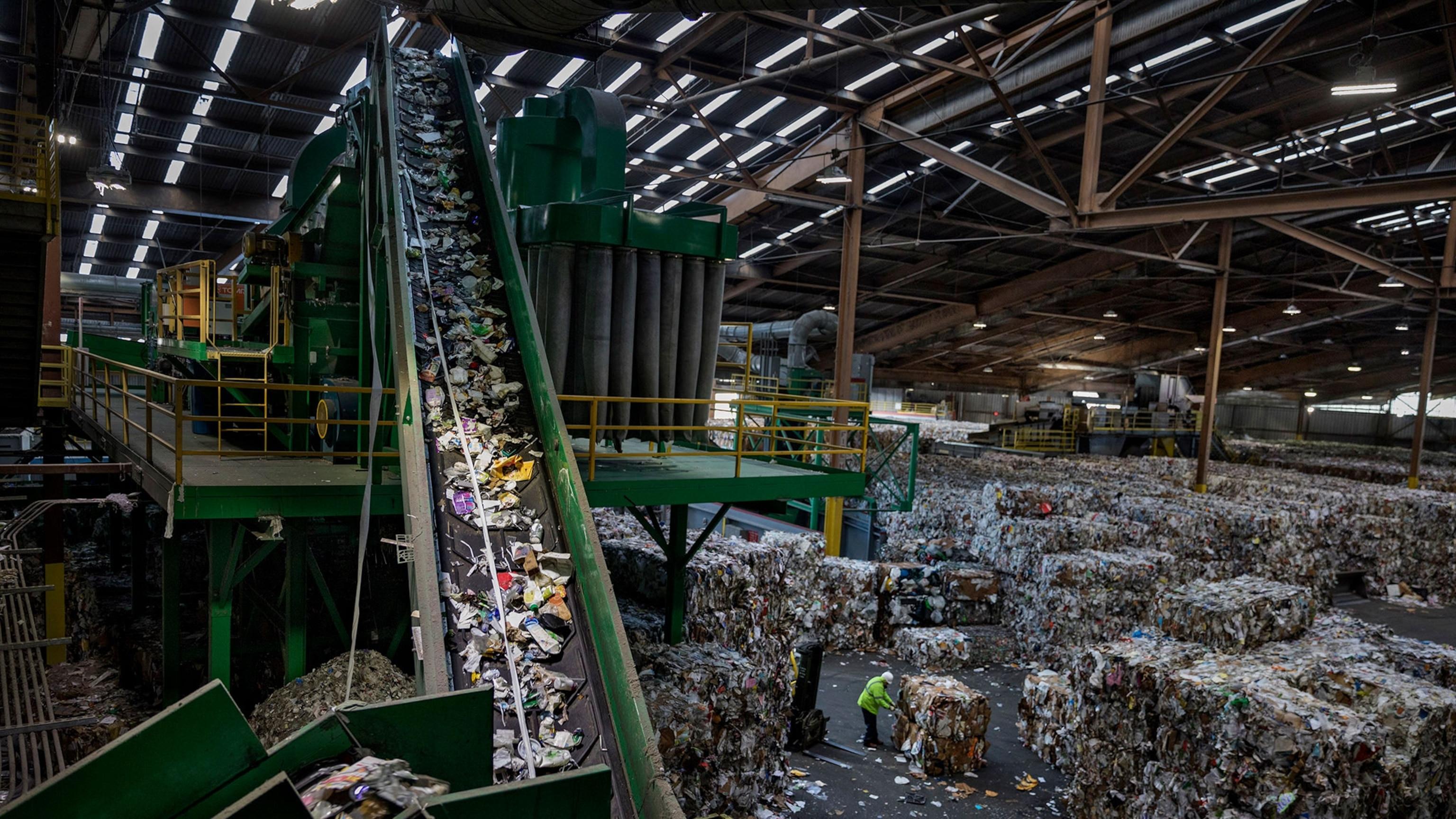
As a society, the convenience of 'out of sight, out of mind' has prevailed in our approach to dealing with waste. The Irish Doctors’ Environmental Association (IDEA) staunchly contests the notion of incineration as a viable waste management strategy, underlining the folly of believing in the illusion of an 'away' when discarding materials that can be harmful to our environment and, by extension, our health.
Why Incineration Isn’t the Answer
Our disquiet around incineration is three-pronged. Firstly, the irreversible destruction of irreplaceable resources through incineration is a practice we cannot morally support. These resources, once gone, are no longer available for the sustenance of future generations. Secondly, fostering an incineration infrastructure only fuels the unsound practices of a throwaway culture, rather than correcting it. Lastly, there are significant concerns about the direct adverse health consequences associated with incineration emissions.
The Transformation from Municipal to Hazardous Waste
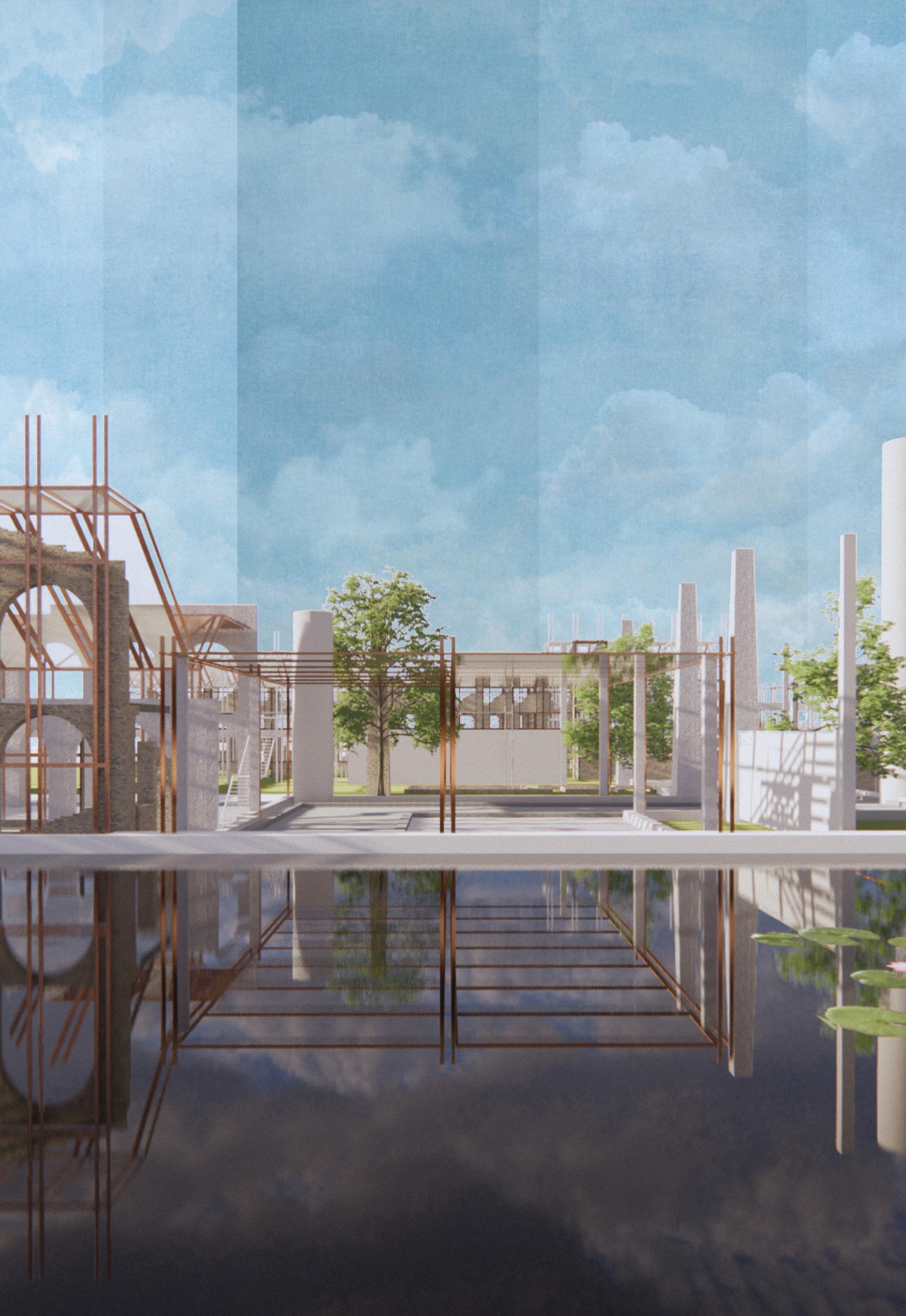
Incineration's byproducts enter our environment as emissions or ash, often far removed from the benign 'waste' they once were. This process morphs non-hazardous materials into hazardous ones, spelling troubles for environmental health and safety protocols that have yet to catch up with effective disposal methods in Ireland.
The Chemical Unknown
A significant territorial challenge lies in the paucity of toxicity information on the vast majority of the 100,000 chemicals in our surroundings, as the European Environment Agency states. Frighteningly, most chemicals that end up in domestic waste and, therefore, in incinerators, lack thoroughly studied risk profiles, leaving our population exposed to potentially harmful new compounds without adequate understanding of their effects.
Incinerator Emissions and Public Health
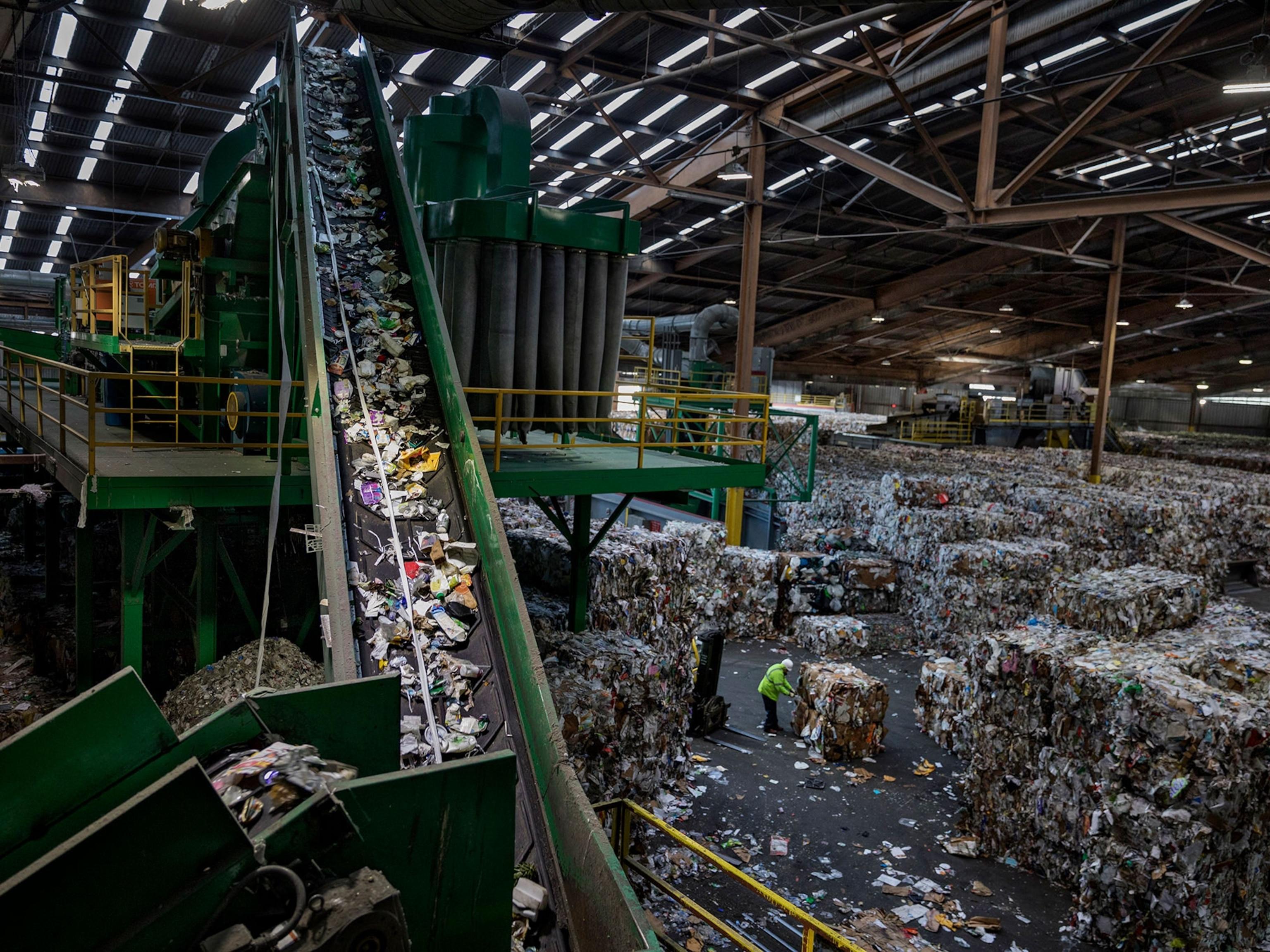
Incinerator emissions include a litany of harmful substances, such as dioxins, PCBs, heavy metals, and fine particulates - all contributors to long-term health risks. The strategy of 'dilution and dispersion' falls short with persistent and bio-accumulative compounds leading to a heightened body burden of chemicals amongst populations.
Regulatory and Assessment Concerns
Incineration regulation is a complex arena fraught with setbacks, leading to IDEA's scepticism regarding 'safe levels' of emissions. In the absence of conclusive, low-dose, long-term risk assessments, especially for vulnerable populations like infants, the precautionary principle should guide our actions in waste management.
Alternatives and Responsibility
IDEAR advocates for ambience-conscious and future-proof alternatives, emphasizing reduction, reuse, and recycling over incineration. However, for this to work effectively, systemic support on local and national levels is imperative, which Ireland currently lacks. Cognizant of how our wastefulness can affect us today and travel through generations, IDEA asserts the moral imperative of adopting more sustainable practices.
Conclusion
In ponderance of our environmental future, we must acknowledge the interconnectedness of waste management and broader implications, including travel. Sustainable tourism, much like waste management, calls for leaving a gentle footprint, thus ensuring the destinations we cherish remain viable and healthy for generations to marvel and explore. As we confront the challenges of incineration, let us embrace an ethos of stewardship that extends to all facets of our interaction with the planet.
Dublin
- Castleknock Hotel
- The Spencer Hotel
- Camden Court Hotel
- Gibson Hotel
- Red Cow Hotel
- Wren Urban Nest
- Ashling Hotel Dublin
- Green Isle Hotel
- Mespil Hotel
- The Morgan Hotel
- Croke Park Hotel
- Grand Canal Hotel
- Riu Plaza The Gresham Dublin
- The Grafton Hotel
- Dublin One Hotel
- Mayson Hotel
- Temple Bar Inn
- Clayton Hotel Charlemont
- Talbot Hotel Stillorgan
- Academy Plaza Hotel
- Clayton Hotel Cardiff Lane
- West County Hotel
- Herbert Park Hotel
- Sandymount Hotel
- Nyx Hotel Dublin
- Maldron Hotel Parnell Square
- Radisson Blu Royal Hotel Dublin
- Motel One Dublin
- The Address Connolly
- Hilton Dublin Airport
- Belvedere Hotel Dublin
- Iveagh Garden Hotel
- Skylon Hotel
- Leonardo Hotel Dublin Parnell Street
- Clayton Hotel Ballsbridge
- Trinity City Hotel
- Buswells Hotel
- Radisson Blu St Helens
- Ruby Molly Hotel Dublin
- Clayton Hotel Burlington Road
- Maldron Hotel Smithfield
- Hilton Kilmainham
- The Chancery Hotel Dublin
- Brooks Hotel
- Leonardo Hotel Dublin Christchurch
- Hilton Garden Inn Dublin
- Bonnington Hotel
- Beckett Locke
- Maldron Hotel Merrion Road
- Maldron Hotel Kevin Street
- Beaumont House
- Conrad Hotel Dublin
- Marlin Hotel Dublin
- Moxy Hotel Dublin
- Zanzibar Locke Dublin
- The Marker Hotel
- Aparto Dorset Point
- Jacobs Inn Dublin
- Cassidys Hotel Dublin
- Phoenix Park Hotel
- Abbey Court Hostel
- Clink I Lar
- The Hendrick Smithfield
- Beresford Hotel Dublin Reviews
- Staycity Aparthotels Dublin
- Generator Hostel
- Devlin Hotel
- Albany House Dublin
- Wynns Hotel Dublin
- Hyatt Centric The Liberties Dublin
- Fitzwilliam Hotel Dublin
- Samuel Hotel Dublin
- Camden Street Hotel
- The Davenport Hotel Dublin
- Harding Hotel
- Clontarf Castle Hotel
- College Green Hotel
- Arlington Hotel
- Clarence Hotel
- Hampton By Hilton Dublin City Centre
- Merrion Hotel Dublin
- Westbury Hotel
- Harcourt Hotel
- Royal Marine Hotel Dun Laoghaire
- Drury Court Hotel Dublin
- Holiday Inn Dublin
- The Dean Hotel
- Aloft Dublin
- The Schoolhouse Hotel Dublin
- Aspect Hotel Park West
- The Wilder Townhouse
- The Shelbourne Hotel
- Hilton Hotel Dublin
- The Mont Hotel Dublin
- The Alex Dublin
- Abigail Hostel
- The Intercontinental Dublin
- Hotel Fleet Street
- Pearse Hotel Dublin
- The Mercantile Dublin
- Morrison Hotel
- House Leeson St
- Ibis Hotel Red Cow
- Stauntons On The Green Hotel
- Easyhotel Dublin City Centre
- Eastmoreland Place
- Temple Hotel
- Hotel Portobello
- Odonaghues Dublin
- Harrington Street Dublin 8
- Castle Hotel
- Blooms Hotel
- Green Hotel
- Ballsbridge Hotel Dublin Pembroke Road
- Mercer Hotel Dublin
- Oneills Dublin
- Dublin Central Inn Talbot Street
- The Dawson Hotel And Spa
- 61 Mountjoy Street Dublin 7
- Keavan'S Hotel Dublin
- Trinity Lodge Dublin Ireland
- Kennedys B&B Drumcondra
- Paramount Hotel Dublin Temple Bar
- Central Hotel Chambers
- John Gogarty Hostel Dublin
- Almanii Dublin
- The Ripley Hotel Dublin
- Townhouse Dublin Ireland
- Ashling House Accommodation Dublin
- Moss Street
- Point A Dublin Parnell Street
- Fitzsimon Hotel Dublin Temple Bar
- Annandale House Dublin
- Gleann Na Smol Howth Dublin
- Travelodge Dublin City Centre Rathmines Dublin Ireland
- Blackrock B&B
- Uppercross Hotel Rathmines
- The Lombard Pub & Townhouse
- Hotel Lansdowne Road Dublin
- Pembroke Townhouse Dublin Reviews
- Hotel St George Dublin Ireland
- Ariel Guest House Dublin
- The Gate Hotel Parnell Street Dublin
- Handels Temple Bar Hotel Dublin
- Waterloo Lodge Dublin Ireland
- Haddington Hotel Carpark
- Dublin Donnybrook
- Kildare Street Hotel Dublin
- Staycity St Augustine Dublin
- Avoca House B&B
- Barrys Hotel
- Baggot Court Dublin
- Dublin Airport South Hotel
- Number 31 Dublin Reviews
- Hazelbrook Guesthouse Dublin
- Abbott Lodge Guesthouse Dublin
- 78 Morehampton Road
- Maples House Hotel Ireland
- Gardiner Lodge Hotel
- Kelly Hotel Dublin
- Wellington Hotel Dublin
- Fitzwilliam Townhouse Hotel
- Dublin Citi Hotel Reviews
- Ifsc Apartments Dublin
- Sonder The Earl Dublin
- Kinlay House Dublin Dublin
- Eccles Townhouse Dublin
- Nyx Dublin Christchurch
- Broc House Suites Dublin Ireland
- Hotel 7 Dublin Reviews
- Pembroke Hall
- Gleesons Townhouse Booterstown
- Talbot Street Dublin Ireland
- Egans Hotel Dublin
- The Merchant Temple Bar
- Travelodge Dublin City Center
- The Norseman Temple Bar
- Kilronan House Adelaide Road
- 4 Courts Dublin
- Kingfisher Restaurant & Townhouse
- Jackson Court
- 애쉬 필드
- Roxford Lodge Hotel Dublin
- Tipperary House B&B Dublin
- The Ferryman Townhouse
- Hotel Davenport
- Harveys Guest House Dublin
- Temple Bar Lane Dublin
- St Aiden'S Guesthouse
- Garden Lane Backpackers Dublin
- O Regan'S
- Merrion Rd
- Apache Temple Bar
- Staycity Hotel Apartments Christchurch
- Aberdeen Lodge Hotel
- No 9 Rathgar
- Mcgettigans Townhouse Dublin
- Staycity Aparthotels Mark Street Dublin
- Waterloo Lodge Hotel
- Staycity Tivoli Dublin
- Dublin B&B Cheap